Beaufort cheese
In short
Beaufort is an AOP cheese (since 1968) made from the raw milk of Tarine and Abondance cows in the Beaufortain. After heating, pressing and five to eight months of ageing, it develops a rich, fruity flavour, ideal in gratins, fondue or as a crust on fish.
Key takeaways
- A cooked pressed cheese from the Beaufortain, with a history dating back to the Middle Ages.
- AOP status since 1968, raw milk from Tarine and Abondance cows grazing on mountain pastures.
- Made in copper vats: the curd is cut, pressed in wooden moulds, then salted.
- Aged for 5 to 8 months in cool, damp cellars, creamy texture and fruity taste.
- Classic recipes: pasta gratin, Savoie fondue, salmon with a Beaufort crust.
Camping l’Eden de la Vanoise lets you discover the countless attractions of Savoie, in the French Alps. As well as the entertainment and comfortable rentals, this 3-star campsite is the ideal base for discovering one of the region's culinary specialities: Beaufort cheese.
The history of Beaufort
The pride of the Beaufortain natural region, Beaufort has a rich history dating back to the Middle Ages, in the mountainous region of Savoie. The idea of making this delicious cheese came from local monks, who were looking for a clever way to preserve and use the surplus milk from their Tarine and Abondance cows. Over time, this cooked pressed cheese became a pillar of the local economy, with production methods passed down from generation to generation.
However, at the beginning of the 20th century, Beaufort production was threatened by modern techniques. Fortunately, thanks to the efforts of cheesemakers and measures to protect its quality and authenticity, Beaufort enjoyed a revival. In 1968, Beaufort was awarded AOP (Protected Designation of Origin) status, guaranteeing the geographical origin and traditional production method of the cheese.
How Beaufort is made
As one of the most renowned cheeses in the culinary world, Beaufort is made using traditional methods. The first step is collecting the raw milk from cows grazing on the Tarentaise pastures. Poured into large copper vats, the milk is gently heated with lactic ferments and rennet. This is the coagulation process.
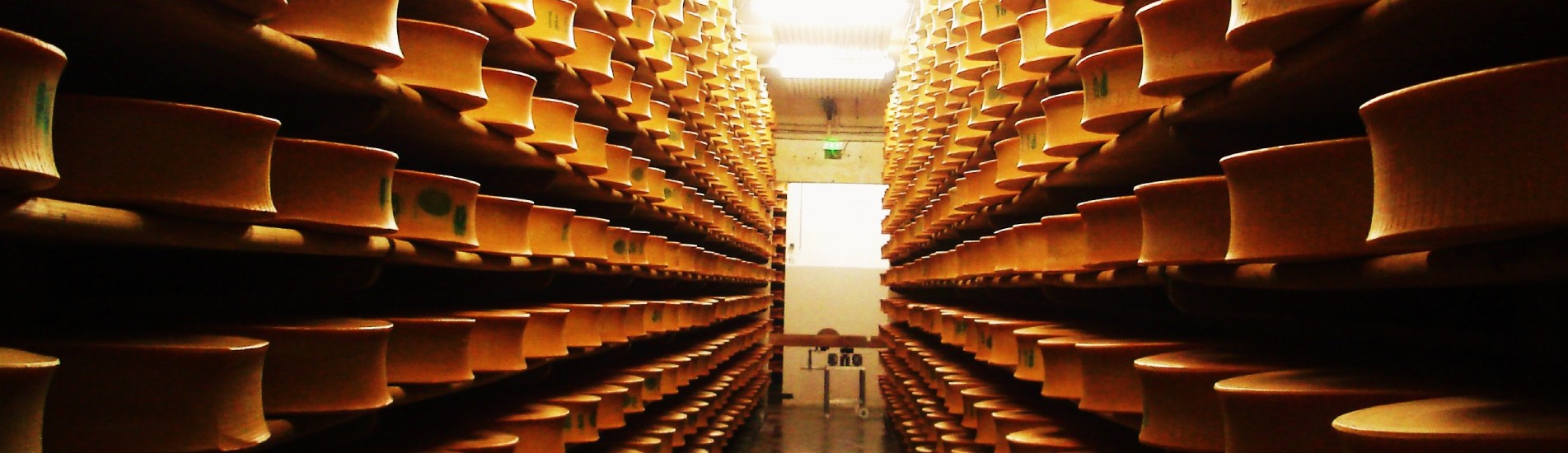
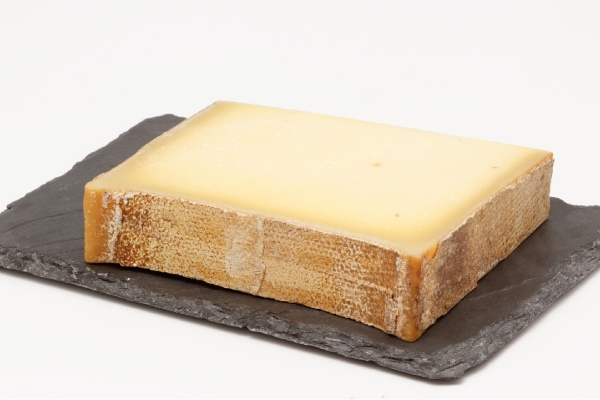
The curd is then cut into small grains and heated again to release the whey and set the texture of the cheese. This is followed by pressing, where the curd is placed in wooden moulds that are pressed to remove as much whey as possible and give the cheese its characteristic shape. After pressing, the cheeses are salted to enhance their flavour and help them keep. The process ends with a period of ageing in the cool, damp cellars of the cheese dairy. Ageing lasts 5 to 8 months and lets this AOP cheese develop its unique flavour and smooth texture. Once aged, Beaufort is ready to eat. Its taste is generally described as rich and slightly fruity, with a creamy texture.
A few recipes with Beaufort
Beaufort goes well with many traditional Savoie recipes. Here are a few ideas to bring out the flavour of this AOP cheese, made from the milk of cows fed naturally and healthily on the Beaufortain pastures:
- Pasta gratin with Beaufort: pasta cooked al dente, mixed with a delicious Beaufort sauce and baked until a golden crust forms.
- Savoie fondue with Beaufort: a creamy, tasty fondue with Beaufort as the main ingredient, served with pieces of crusty bread.
- Roast salmon with a Beaufort crust: chic and refined, this dish combines Beaufort, pine nuts and fresh herbs to form a crust over the oven-baked fish.
Enrich your holiday in Savoie by discovering where Beaufort comes from and tasting it in all its culinary forms. Enjoy your Beaufort with a local wine while exploring the Savoie wine route, for an unforgettable stay!
 Sébastien’s tip
To enjoy Beaufort at its best, buy it directly from a producer or a cheese dairy in the Beaufortain rather than in a supermarket: it is often aged longer and the flavour is much stronger. Always ask to taste before buying, almost all the affineurs offer tastings on site.